Securing the ROK Nuclear Fuel Cycle: Implications for Southeast Asia
South Korea is positioned as a pivotal player in the global nuclear industry as the IAEA projects a tripling of nuclear capacity by 2050. Driven by the dual demands of energy security and climate change, Southeast Asia has emerged as a critical frontier for South Korea’s export ambitions, with significant engagements already underway in Vietnam, the Philippines, Indonesia, and Singapore.
In this policy brief, Alvin Chew argues that South Korea’s path to becoming a vertically integrated global supplier is currently impeded by its lack of full autonomy in the nuclear fuel cycle, particularly in enrichment and reprocessing. To overcome these limitations, South Korea should strategically align with the United States to form a joint nuclear consortium, ensuring a stable and IAEA-safeguarded supply chain of enriched uranium. Such a partnership would not only enhance market competitiveness in Southeast Asia but also provide maximum transparency to the international community. Crucially, South Korea must deconflict its civilian nuclear exports from military ambitions, such as nuclear-powered attack submarines, to maintain its standing as a responsible nuclear actor.
About the Author
Alvin Chew is Senior Fellow at the S. Rajaratnam School of International Studies (RSIS), Nanyang Technological University (NTU), Singapore and a member of the Asia Pacific Leadership Network (APLN). His research covers a broad spectrum of nuclear topics that includes governance, safety and security, with a particular focus on the intersection between emerging civilian nuclear application and non-proliferation. He writes regularly and his articles and interviews are being carried on various international media platforms.
The opinions articulated above represent the views of the authors and do not necessarily reflect the position of the Asia-Pacific Leadership Network or any of its members.
The APLN website is a source of authoritative research and analysis and serves as a platform for debate and discussion among our senior network members, experts and practitioners, as well as the next generation of policymakers, analysts and advocates. Comments and responses can be emailed to apln@apln.network.
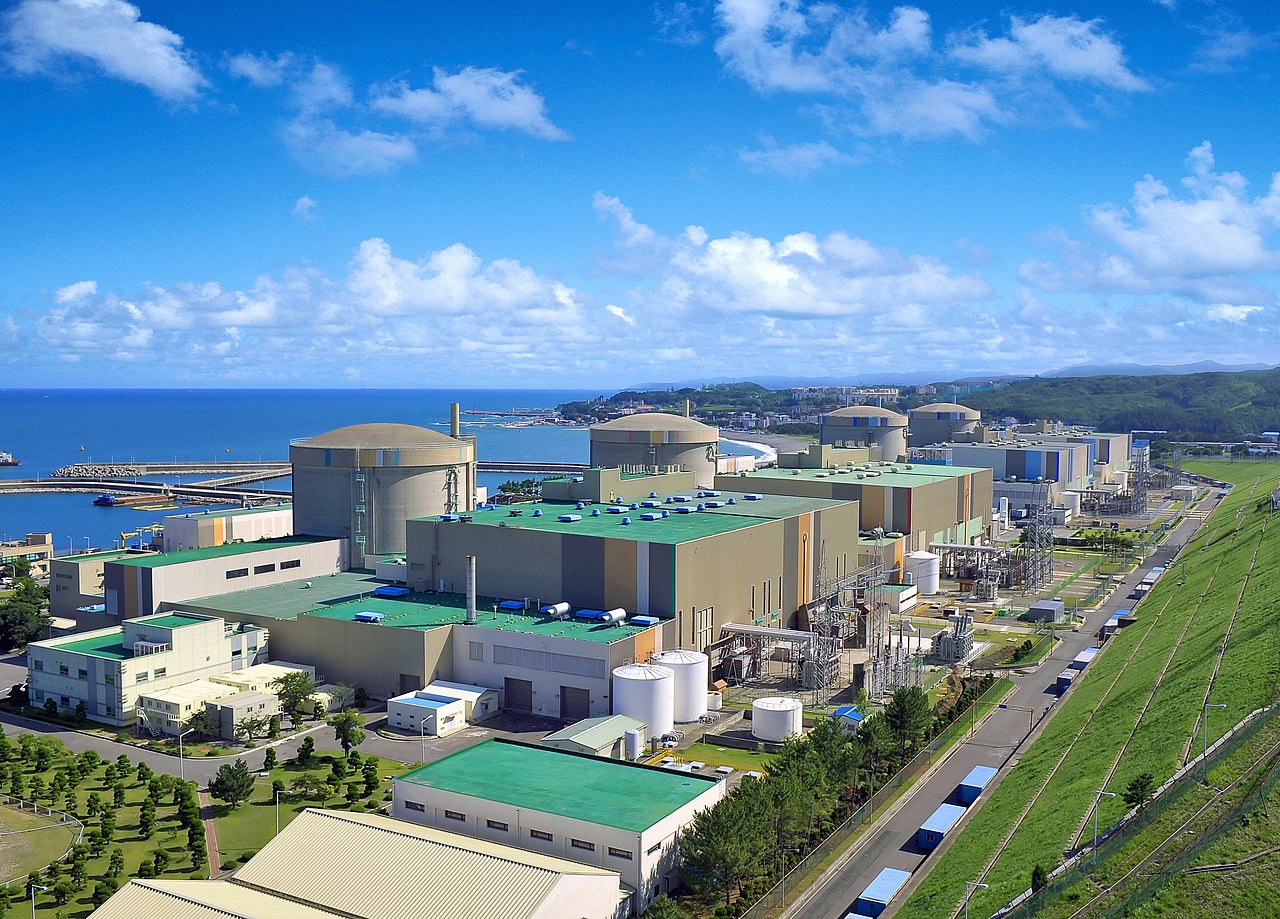
Image:Korea Wolsong Nuclear Power Plant, IAEA Imagebank, Wikimedia Commons.