

Maritime Incidents and Escalation in the Asia-Pacific
Maritime Incidents and Escalation in Asia-Pacific seeks to identify the risks of dangerous maritime incidents and escalation in the Asia-Pacific. The project explores confidence-building measures and other means to ensure stability in the waters of the Asia-Pacific.
 MARITIME INCIDENTS AND ESCALATION IN THE ASIA-PACIFIC
APLN Quarterly Nuclear Memo (July - September 2026)
APLN's Quarterly Nuclear Memo tracks, analyses and summarises nuclear developments shaping the Asia-Pacific security environment between July-September 2026.
 MARITIME INCIDENTS AND ESCALATION IN THE ASIA-PACIFIC
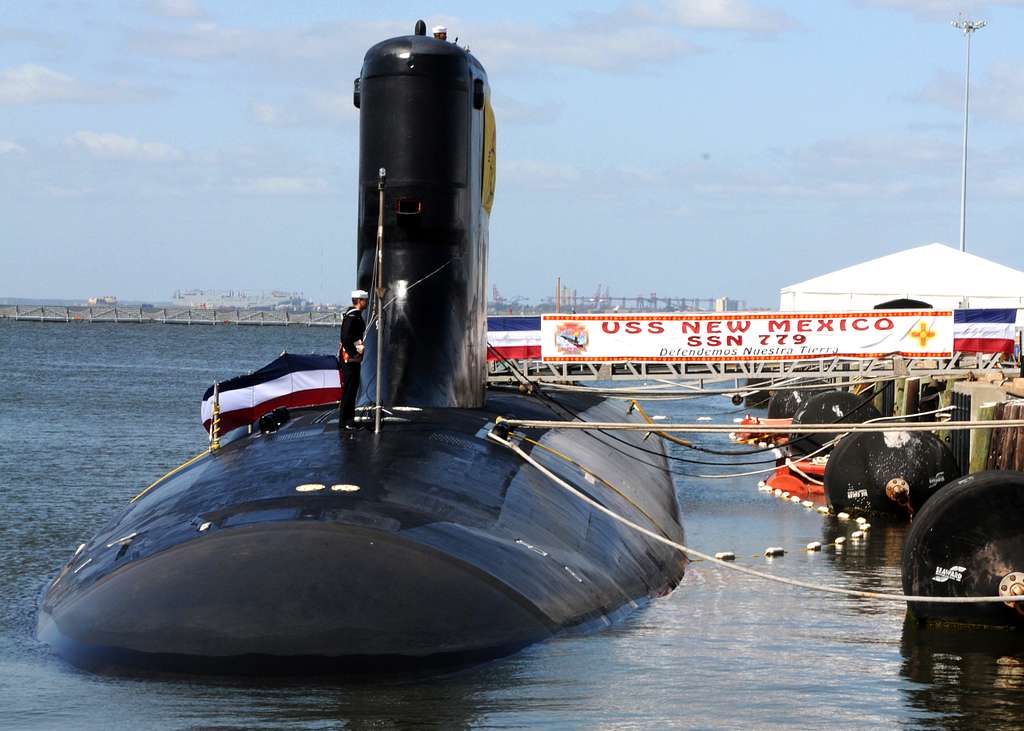
“The Haves,” US and Chinese SSNs in the Asia-Pacific
Dongkeun Lee examines the evolving roles and capabilities of US and Chinese SSNs and assesses how their development could affect the future undersea balance in the Asia-Pacific.
 MARITIME INCIDENTS AND ESCALATION IN THE ASIA-PACIFIC
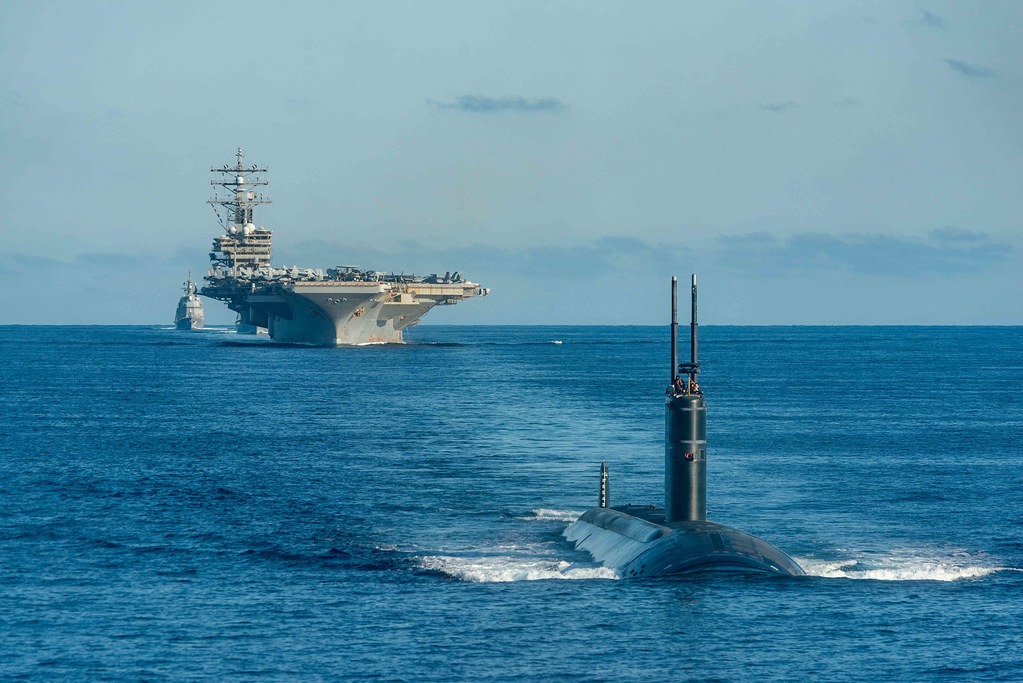
Non-SSN Anti-Submarine Warfare Capabilities of the ROK and Japan
Sanghoe Lee compares the non-SSN anti-submarine warfare (ASW) capabilities of the ROK Navy and the Japan Maritime Self-Defence Force.
 MARITIME INCIDENTS AND ESCALATION IN THE ASIA-PACIFIC
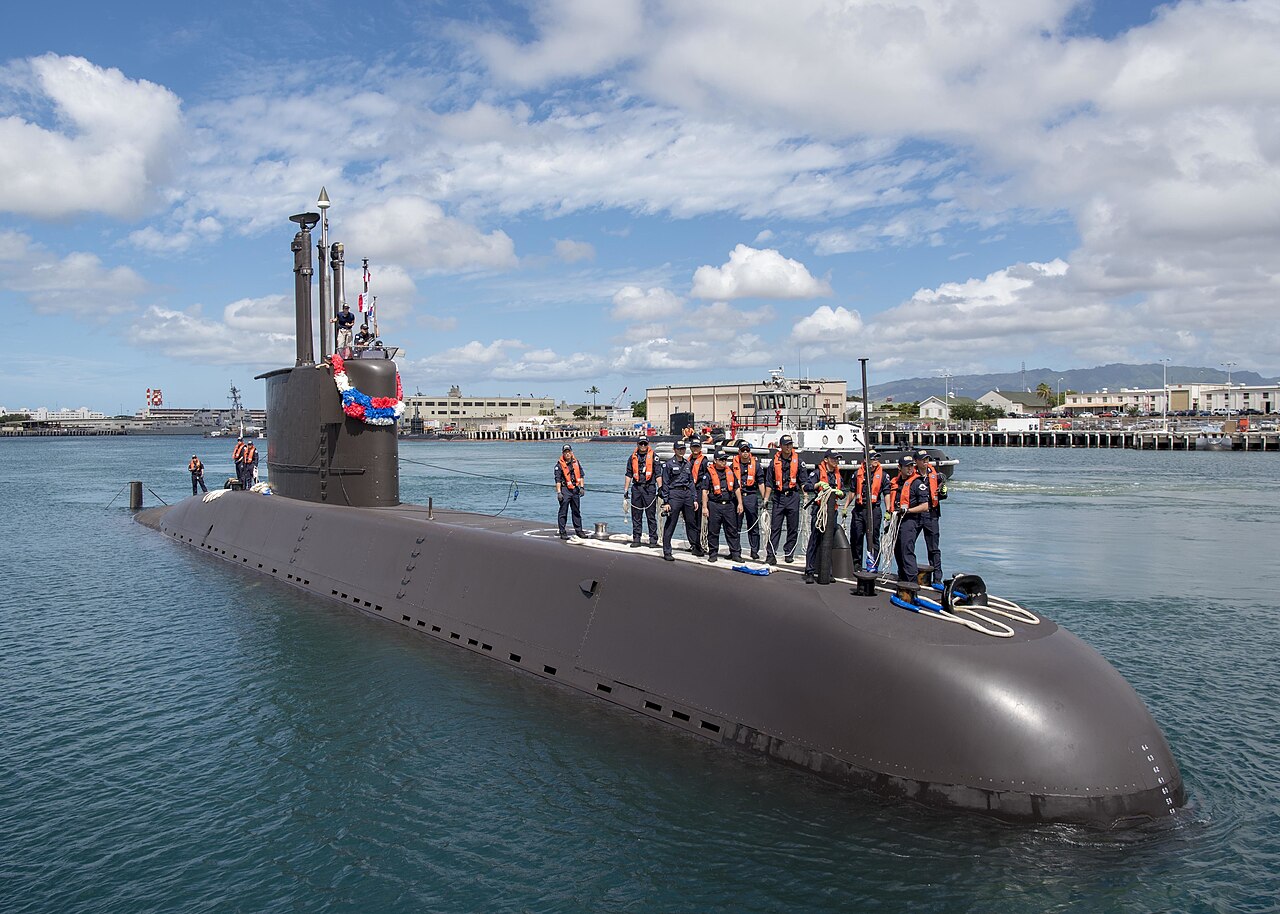
In Pursuit of Nuclear-Powered Submarines: Australia, South Korea, And Japan
Jamie Kwong assesses the drivers, feasibility and risks of naval nuclear propulsion for non-nuclear-weapon states.
 MARITIME INCIDENTS AND ESCALATION IN THE ASIA-PACIFIC
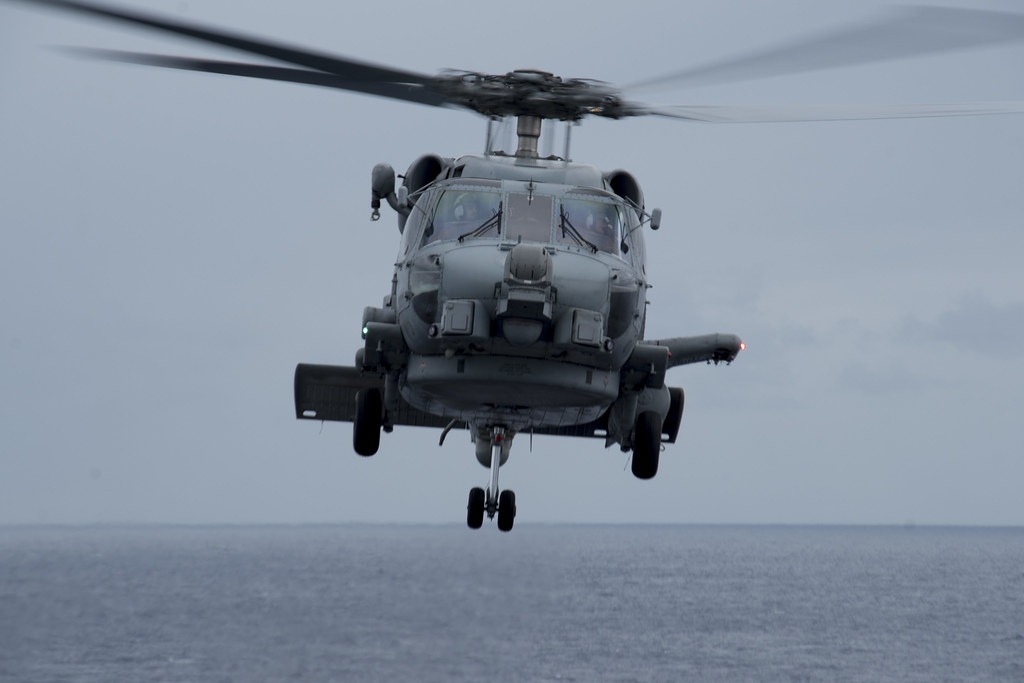
Australia’s Anti-Submarine Warfare Capability in the 2030s
Jennifer Parker argues that Australia's biggest anti-submarine warfare gaps are not the submarines, but the sensors, systems and specialists the debate has overlooked.
 MARITIME INCIDENTS AND ESCALATION IN THE ASIA-PACIFIC
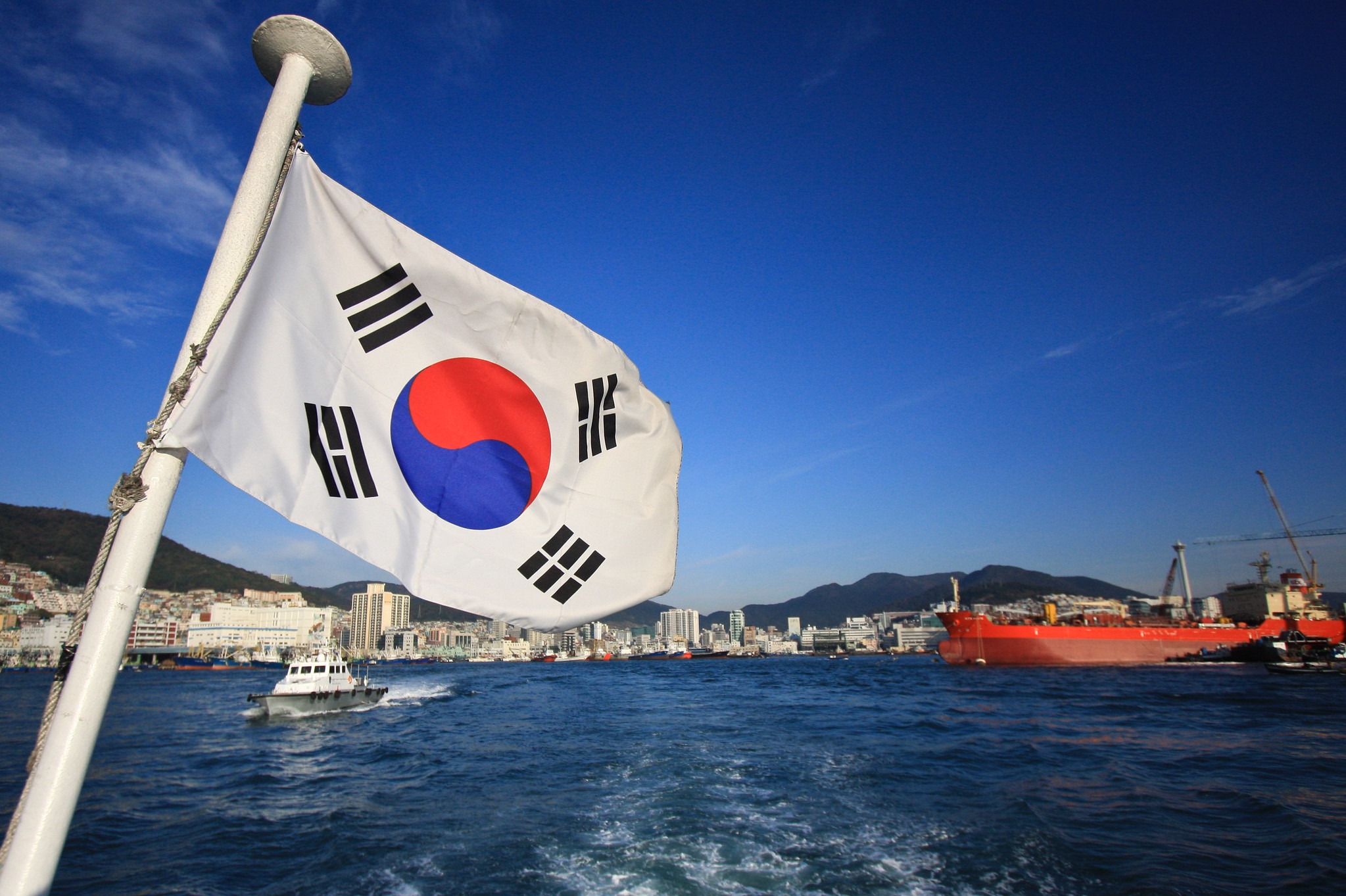
South Korea and the South China Sea: Paradox of a crucial maritime player
Dongkeun Lee explores how Seoul can enhance its presence in the South China Sea.