“The Haves,” US and Chinese SSNs in the Asia-Pacific
Dongkeun Lee explores the growing role of nuclear-powered attack submarines (SSNs) in US–China strategic competition, examining how both countries use these platforms to support maritime operations, protect carrier strike groups, and track or counter adversary nuclear-powered ballistic missile submarines (SSBNs). Comparing current and next-generation US and Chinese SSNs, this paper assesses their evolving capabilities, operational reach, and fleet development, and considers how these factors could shape the future undersea balance in the Asia-Pacific.
Key findings
- SSNs are becoming increasingly important to US–China strategic competition in the Asia-Pacific, linking conventional maritime operations with nuclear deterrence.
- US and Chinese SSNs serve two major strategic functions: protecting and supporting carrier strike groups and critical sea lines of communication, while also tracking and potentially countering adversary SSBNs.
- The United States currently maintains an advantage in SSN capabilities, with its Virginia-class submarines generally offering greater payload capacity, endurance, and operational reach than China’s Type 093 variants.
- China is rapidly improving both the capabilities and operational reach of its SSN fleet. While Chinese SSNs currently operate mainly within the First Island Chain, expanding PLAN carrier and long-distance operations suggest that future Chinese SSNs could operate more regularly across the wider Asia-Pacific.
- The next generation of US and Chinese attack submarines is developing along increasingly similar lines, with larger platforms, greater payload capacity, and sophisticated weapons, including cruise missiles and potentially hypersonic weapons, designed for multiple missions.
- The future undersea balance will depend not only on technological capability but also on fleet size and shipbuilding capacity. The United States currently operates a larger SSN force, but China’s continuing fleet expansion could narrow the quantitative gap over time.
About the Author
Dongkeun Lee is a Policy Fellow at the Asia-Pacific Leadership Network. He holds PhD from the Australian National University. Before joining the research sector, he served for three years in the Republic of Korea Navy as an intelligence officer. Dongkeun’s main research interest is international relations in the Indo-Pacific, with a focus on maritime security. His work has been featured in multiple scholarly and policy outlets, such as Marine Policy, ORF, and The Asan Forum.
The paper is the fourth in a series on undersea warfare and nuclear risk in the Asia-Pacific, supported by the Heinrich Böll Stiftung. All views expressed are those of the authors and do not represent the official views of HBS, the Asia-Pacific Leadership Network, or its board, members, or other funders.
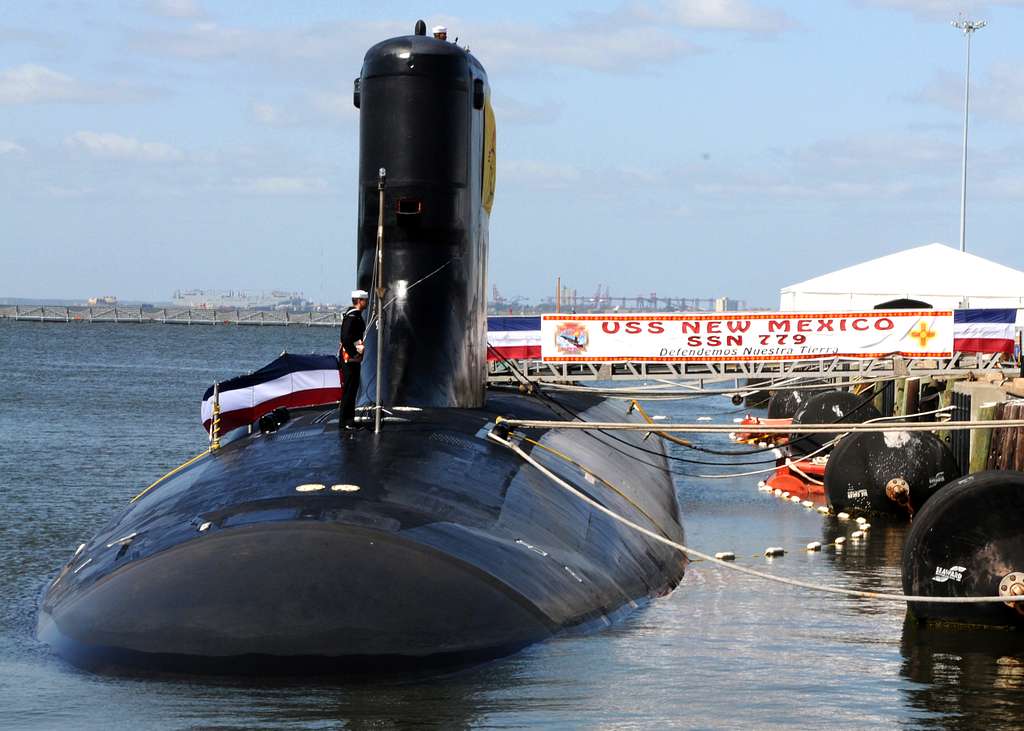
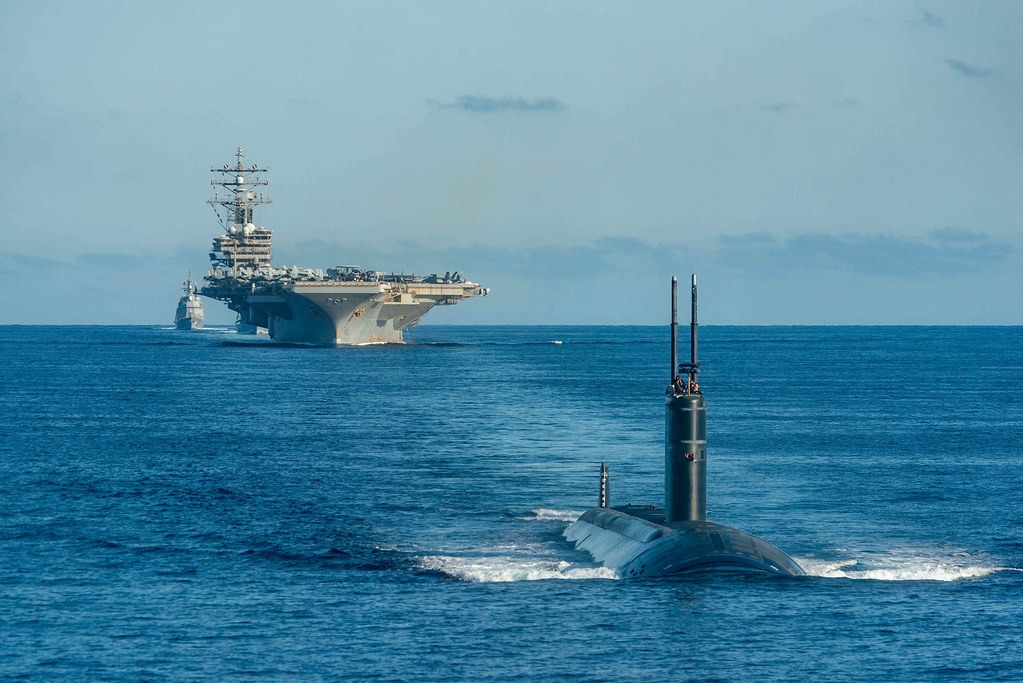
Image: 100327-N-3154P-044 NORFOLK (Mar. 27, 2010) The Virginia-class nuclear attack submarine USS New Mexico (SSN 779) moored pierside during the ship’s commissioning ceremony, held aboard Naval Station Norfolk Mar. 27. New Mexico is the sixth Virginia-class submarine to be commissioned and will be homeported in Groton, Ct. US Navy Photo by Mass Communication Specialist Seaman Scott Pittman. Wikimedia Commons.
.jpg)