
In Pursuit of Nuclear-Powered Submarines: Australia, South Korea, And Japan
In Pursuit of Nuclear-Powered Submarines: Australia, South Korea, and Japan, Jamie Kwong analyses why states without nuclear weapons are seeking naval nuclear propulsion, whether they can legally and technically deliver it, what it will cost them, and what responsible stewardship of the capability would look like.
Key findings
- Two, and perhaps soon three, states without nuclear weapons are expected to operate nuclear-powered submarines by the 2040s. To date, only nuclear-armed states have developed and deployed naval nuclear propulsion.
- Japan’s safeguards agreement differs from Australia’s and South Korea’s, and that difference matters. Article 14 of the comprehensive safeguards agreements of Australia and South Korea permits the removal of nuclear material from safeguards for a “non-proscribed military activity”. Japan’s agreement omits that phrase in favour of vaguer language, likely reflecting its 1955 Atomic Energy Basic Act, which requires peaceful use. Kwong notes that Brazil, facing a comparable constitutional constraint, has argued that naval propulsion constitutes a peaceful use, an approach Tokyo could seek to emulate.
- Fuel choices carry different risks. Australia will receive highly enriched uranium from its AUKUS partners in sealed power units, removing the need for refuelling but introducing safeguards complexity. South Korea intends to use low-enriched uranium, which poses a lower proliferation risk but requires periodic refuelling. Key details of Seoul’s fuel supply arrangement with Washington remain unresolved.
- Stated intentions can change. Both Canberra and Seoul have restated their non-proliferation commitments. Kwong argues the risk of a change in South Korean intentions warrants particular attention, given the momentum behind the domestic nuclear armament debate, and that the non-proliferation clause in the Ministry of National Defense’s proposed legal framework is an important but insufficient step.
- These submarines could reshape nuclear escalation risks. A submarine operated by a state without nuclear weapons may still be perceived by a nuclear-armed adversary as a threat to its ballistic missile submarines, and therefore to its second-strike capability. Kwong argues this strategic implication has been under-examined in both the Australian and South Korean debates.
- Delivery is not assured in either case. Australia is targeting delivery from the early 2040s and South Korea a mid-2030s launch. Neither yet has the full regulatory, industrial and workforce base required, and no South Korean shipyard is currently equipped with the specialised facilities needed to build a nuclear-powered submarine.
Kwong concludes that the choices Canberra and Seoul make in the next few years will set expectations far beyond their own programmes. There is no established practice for a state without nuclear weapons operating a nuclear-powered submarine, so the safeguards arrangements they negotiate, the transparency they offer their neighbours and the consent they build at home will become the reference points for every future operator, potentially including Japan. Those precedents are being set now, ahead of any boat going to sea, and the paper argues they deserve far closer attention from officials and experts than they have so far received.
About the Author
Dr Jamie Kwong works on nuclear policy and non-proliferation, and is co-editor of the volume Navigating Responsible Stewardship of Nuclear-Powered Submarines.
The paper is part of a series on undersea warfare and nuclear risk in the Asia-Pacific, supported by the Heinrich Böll Stiftung. All views expressed are those of the authors and do not represent the official views of HBS, the Asia-Pacific Leadership Network, or its board, members, or other funders.
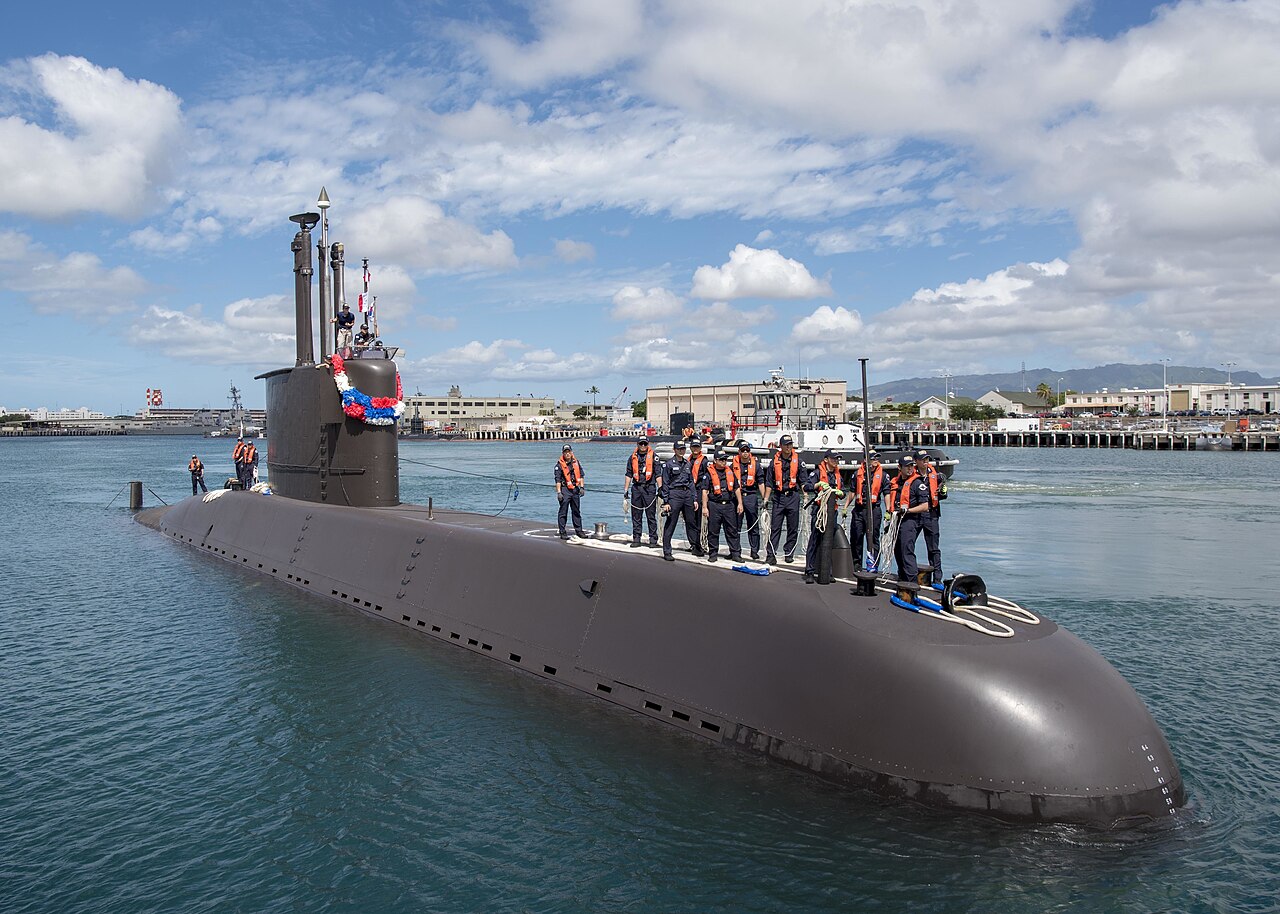
Image: ROKS Park Wi arriving in Pearl Harbor prior to RIMPAC 2018. Wikimedia Commons.
