
Advancing Nuclear Fail-Safe in the Asia-Pacific
APLN has worked with partners in the Asia-Pacific, Europe, and the United States to highlight the benefits of independent, internal “fail-safe” reviews in nuclear-armed states. Fail-safe reviews are aimed at strengthening safeguards to prevent unauthorized, inadvertent, or mistaken use of a nuclear weapon, including through false warning of an attack. These reviews would be effective unilateral nuclear risk-reduction steps, not requiring any negotiation, treaty, or verification.
- ADVANCING NUCLEAR FAIL-SAFE IN THE ASIA-PACIFIC
Global Nuclear Fail-Safe: Meeting Summaries and Related Documents
APLN advances the global conversation on unilateral measures for reducing nuclear risk, together with partners in the Asia-Pacific, Europe, and the United States.
 ADVANCING NUCLEAR FAIL-SAFE IN THE ASIA-PACIFIC
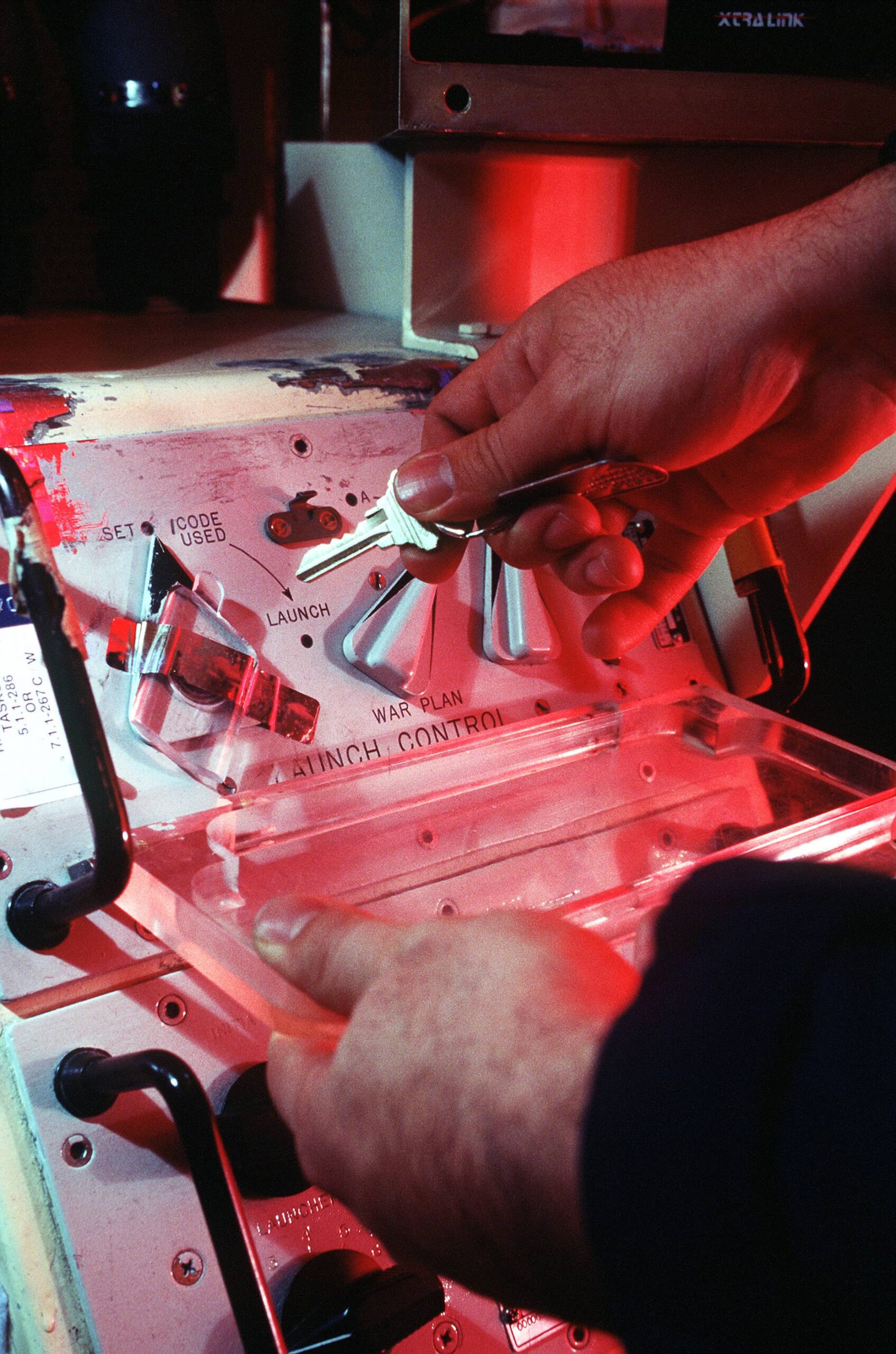
Nuclear Fail-Safe Reviews: Relevant Issues from US Government Accountability Office ...
Frank O'Donnell reproduces select GAO classified report titles, which are indicative of the real fail-safe-relevant issues facing the US nuclear force.
 ADVANCING NUCLEAR FAIL-SAFE IN THE ASIA-PACIFIC
A Proposed Indian Nuclear Risk Reduction Mechanism
Sanjay Mahindru examines the necessity and possible shape of a Nuclear Risk Reduction Review mechanism in the context of India’s nuclear weapons ecosystem.
 ADVANCING NUCLEAR FAIL-SAFE IN THE ASIA-PACIFIC
Failsafe Reviews: A Veritable CBM in the Age of Emerging Technologies
Syed Ali Zia Jaffery argues that conducting failsafe reviews could serve as a practical risk reduction measure by strengthening resilience against emerging technologies and increasing transparency.
 ADVANCING NUCLEAR FAIL-SAFE IN THE ASIA-PACIFIC
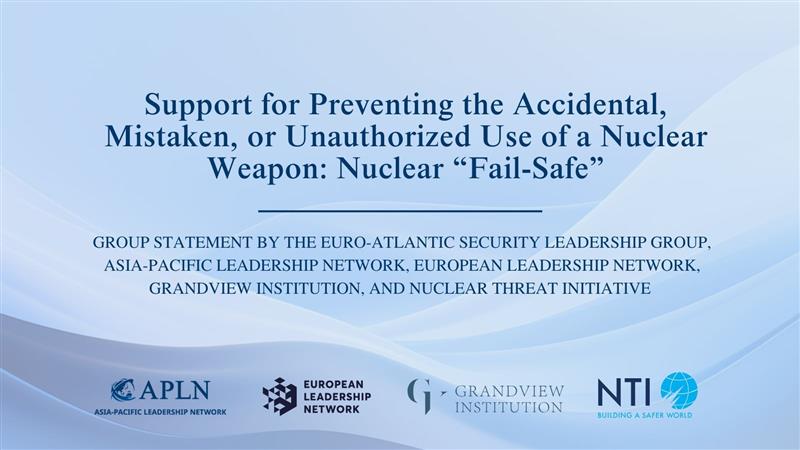
Group Statement: Supporting Nuclear Fail-safe
75 senior figures from across the globe call on all nuclear-armed states to strengthen safeguards against the accidental, mistaken, or unauthorised use of nuclear weapons.
 ADVANCING NUCLEAR FAIL-SAFE IN THE ASIA-PACIFIC
Existential Need for Reducing US-China Nuclear Tensions
Frank O’Donnell emphasises the urgent need to reduce U.S.-China nuclear tensions and proposes unilateral fail-safe reviews as a practical interim measure to mitigate accidental risks.