Members
The Asia-Pacific Leadership Network (APLN) has over 180 members from 26 countries across Asia and the Pacific, consisting of former political, diplomatic and military leaders, senior government officials, and scholars and opinion leaders, dedicated to addressing security challenges in the Asia-Pacific, with a particular focus on nuclear non-proliferation, risk reduction, and disarmament.
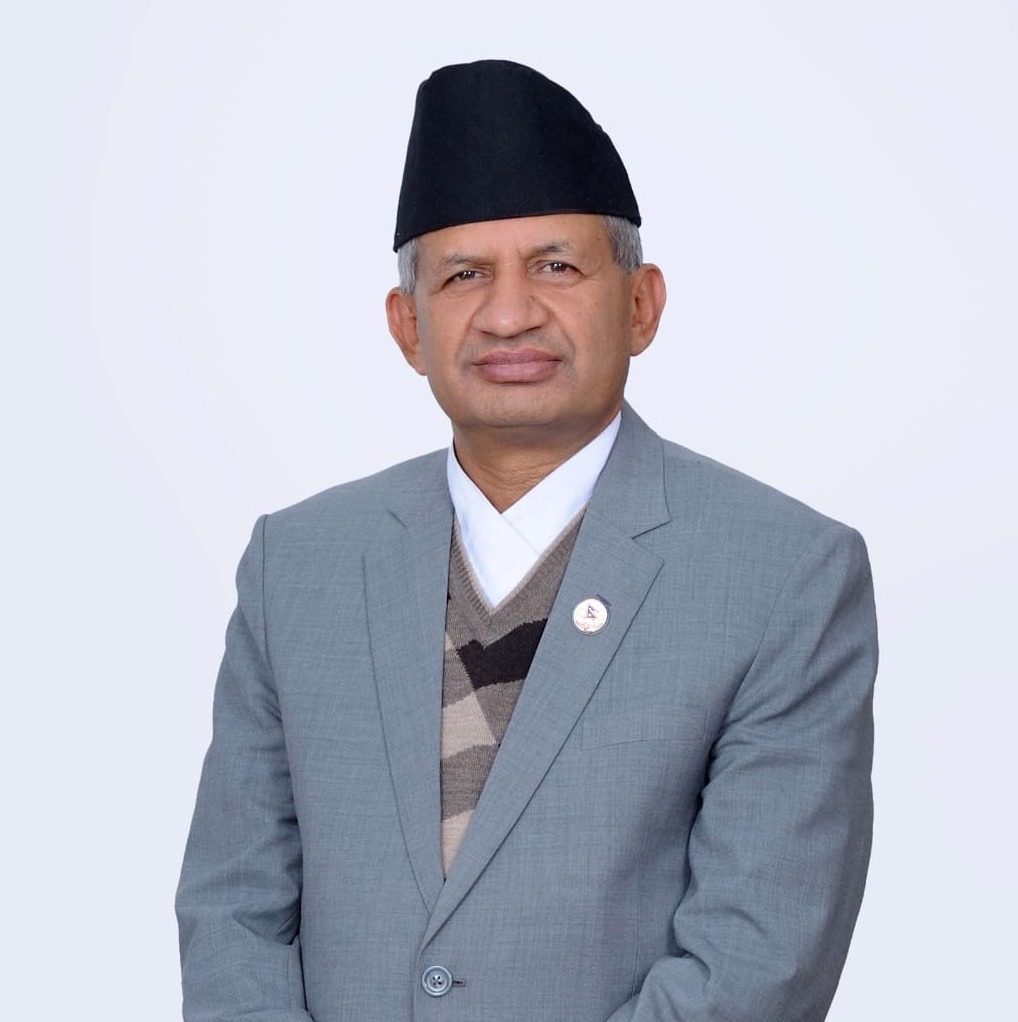
Pradeep Kumar GYAWALI
Former Minister of Foreign Affairs of Nepal
Former Minister of Foreign Affairs of Nepal
Pradeep Gyawali is a renowned politician of Nepal.
He was born on 13 September 1962 in Gulmi District of Western Nepal. He is married to Saraswati Gyawali, and they have three children.
His political career started in 1970s through his affiliation with Nepali Left Movement and subsequent involvement in student politics in 1973. Associated with Communist Coordination Committee in 1977, he was enrolled as a Party member in 1978. During his involvement in the democratic movement, police issued an arrest warrant against him, so he left his career of school teacher and went underground, to struggle against autocratic monarchy. After fulfilling various responsibilities in the party, he was elected in the Central Committee of the Communist Party of Nepal (UML) in 1997. He had played influential role in policy making, party schooling, publicity and organization building in the party.
He was elected in the member of House of Representatives in 1999, member of constituent assembly in 2008 and member of House of Representatives in 2017. As an MP, he led different parliamentary investigations on corruption cases and played instrumental role in drafting many legislations.
He served as the Minister for Foreign Affairs during 2018-2021. During his tenure, Nepal’s external engagements took a newer height.
Gyawali also served as Minister for Culture, Tourism and Civil Aviation from May 2006 to April 2007. He was one of the key members of the government team that negotiated with the then Maoist rebels. His role is highly appreciated in Nepali peace process.
Gyawali has a number of literary works ranging from poetry, fiction, essays as well as critiques on political and philosophical commentaries to his credit. They include a novel Sahayatri(1990), a collection of short stories Kuhiro (2003) and poetic works such as Chita Jalirahechha (1994), Aastha o Mery Priya (2002) and Bina Salik Ka Nayakharu (2016). Similarly, essays and critiques include Marxvadko Srijanatmak Prayog (Creative Use of Marxism) (2000), Prachandpath(2002), Phoenix Panchi (2003), Yuba(2005), Rastriyata, Pahichan ra Samajik Rupantaran (Nationality, Identity and Social Transformation) (2013), Samskritik Rupantaran: Ek Vimarsha(Cultural Transformation: An Analysis) (2015), Nepal’s Foreign Policy : Orientation and Priorities (2021) and Dishabodh ( political essay 2022). He worked as editor-in-chief of magazines such as Nawayug (monthly) and Ekkasaun Satabdi (weekly). He also contributes articles to the national dailies as a columnist.