
Japan
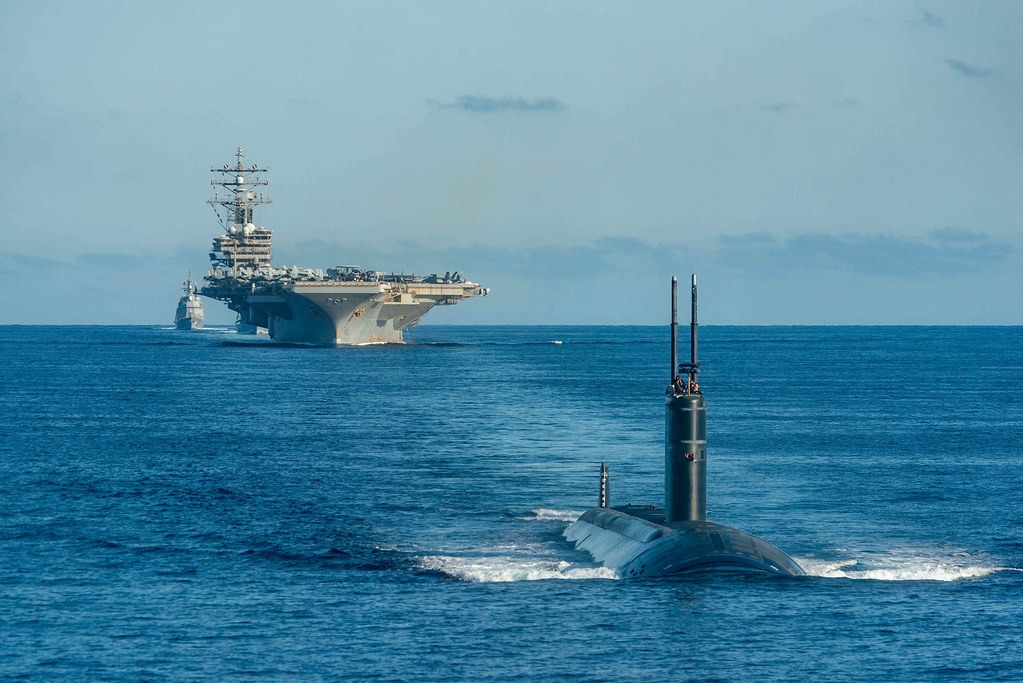
Non-SSN Anti-Submarine Warfare Capabilities of the ROK and Japan
Sanghoe Lee compares the non-SSN anti-submarine warfare (ASW) capabilities of the ROK Navy and the Japan Maritime Self-Defence Force.
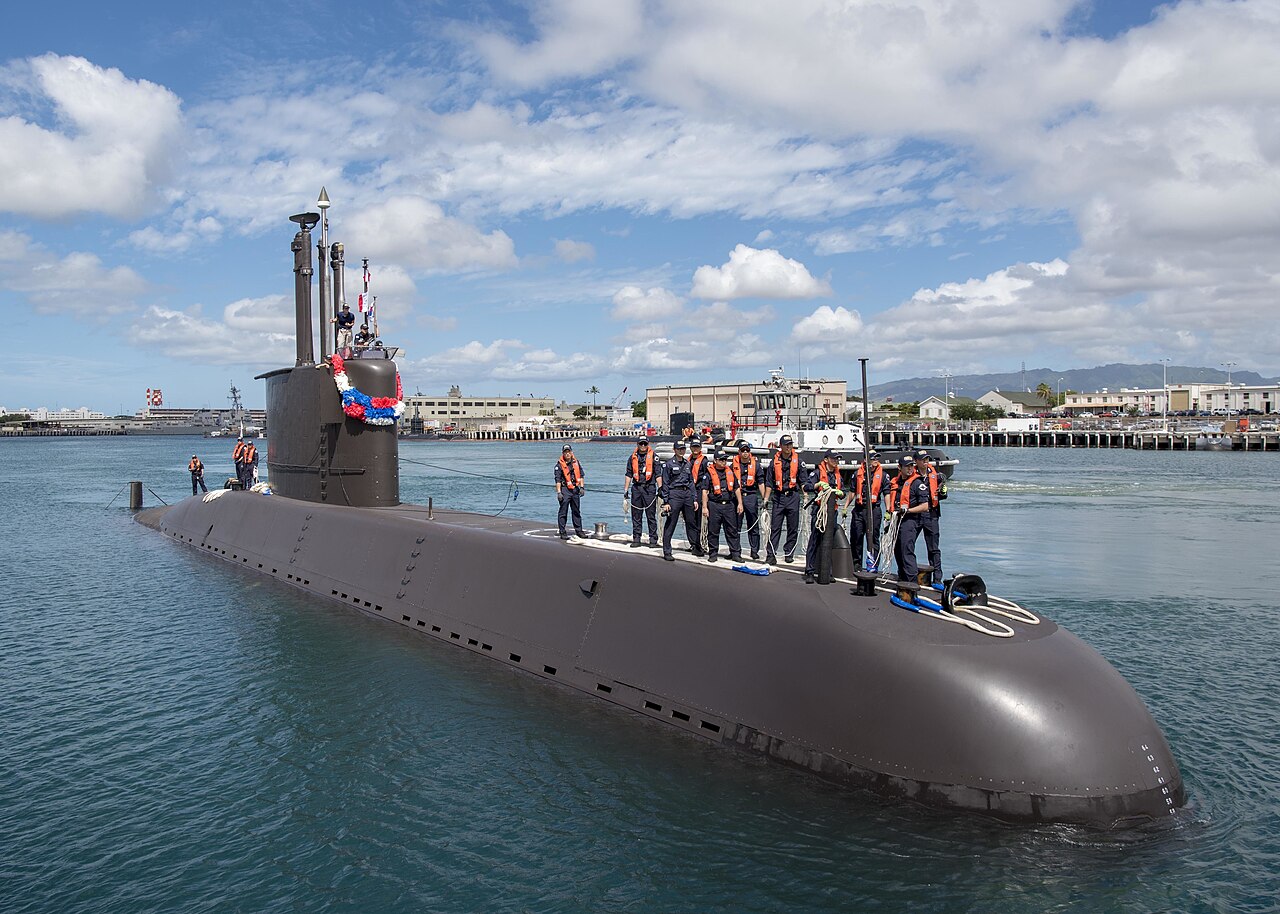
In Pursuit of Nuclear-Powered Submarines: Australia, South Korea, And Japan
Jamie Kwong assesses the drivers, feasibility and risks of naval nuclear propulsion for non-nuclear-weapon states.
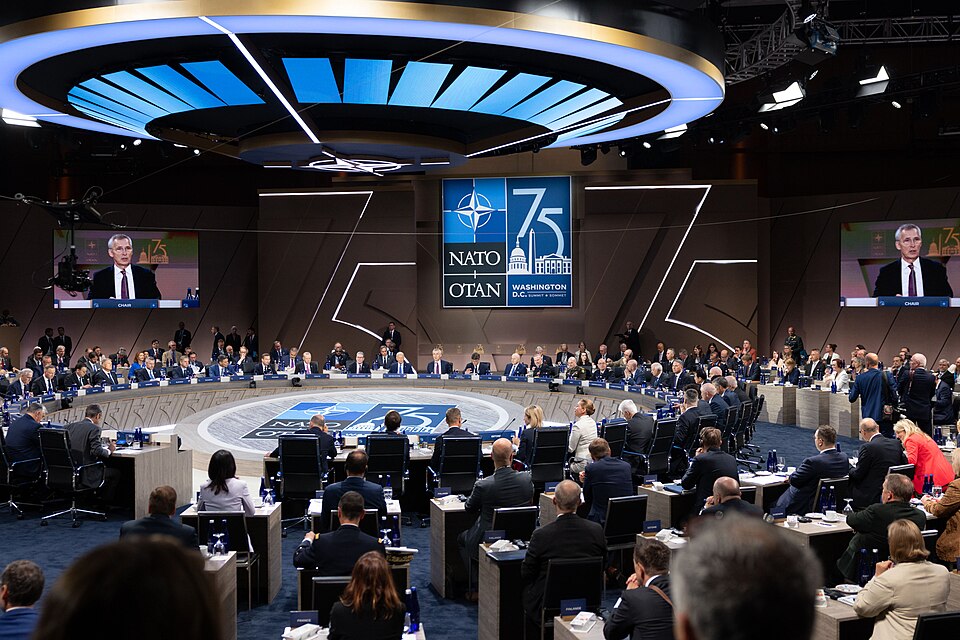
Managing cross-theatre escalation: Perceptions, flashpoints, and constraints on strategic ...
This report provides the analytical foundation for a three-part series examining how NATO and the IP4 can prevent and manage crises.
Institutional cooperation between NATO and IP4: Expectations, constraints, and ...
The report argues that NATO and the IP4 should focus on practical, flexible cooperation without creating a rigid institutional structure.
State-to-state cooperation between NATO and IP4 member states: Successes, constraints, ...
This report examines how individual NATO and IP4 states can cooperate more effectively, and concludes that adaptable, capability-driven partnerships are likely to deliver more tangible results.

Jeju Forum 2026: Between Collective Defense and Collective Security: Toward a New ...
The Asia-Pacific Leadership Network (APLN) and the Jeju Peace Institute are co-hosting a session on 'Between Collective Defense and Collective Security: Toward a New Security Architecture in East ...

Impact of Artificial Intelligence on Defence Planning: Case of Japan
Ryo Hinata-Yamaguchi examines how AI is shaping Japan’s defense planning and JSDF operational risk management, detailing its broader regional implications.

Pursuing strategic autonomy?
APLN Vice Chair Chung-in Moon commented that South Korea can survive and prosper only by maintaining regional peace, embracing multilateral security cooperation, and promoting open regionalism.

Headwinds will shape the world this year
THE TRIBUNE - APLN member Shyam Saran argued that India should pursue deeper regional trade integration and explore greater strategic coordination with Asian partners.

The Need for a Cost-Benefit Analysis for Nuclear Debate in Japan
Michiru Nishida reflects on Japan's nuclear debate and explains how the costs of nuclear armament outweigh its benefits for Japan.